Share Invasive Species Management Framework on FacebookShare Invasive Species Management Framework on X (formerly Twitter)Share Invasive Species Management Framework on LinkedinEmail Invasive Species Management Framework link
JULY 2026 UPDATE: Council approved the Town's first Invasive Species Management Framework. Staff will begin implementing priority actions, develop a 5-year workplan, and report back to Council within 18 months. Thank you for all of your input which helped shape this plan!
The Town is developing an Invasive Species Management Framework (ISMF) to address invasive species in Halton Hills. “Invasive species” are non-native plants and/or animals that enter an ecosystem, compete with native species, and potentially have significant and negative impacts on communities. In the Town of Halton Hills this includes mainly plants (such asbuckthorn and garlic mustard), but also some tree pests and diseases (such as emerald ash borer that kills most ash trees or spongy moth), and a few aquatic species (such as round goby).
Invasive species are one of the greatest risks to sustaining the biodiversity, its natural areas and tree population, and the important services these “green assets” provide. They can also cause harm to infrastructure, create health and safety risks, and have a negative impact on our local economy.
Recognizing that we all need to do our part to prevent and manage invasive species, the ISMF will include approaches to prevent, monitor and manage these threats with an emphasis on education and collaboration. The plan will also help the Town identify and prioritize what to manage and where to most effectively use municipal resources.
To help identify and better understand the challenges of invasive species in Halton Hills, the Town partnered with Credit Valley Conservation (CVC) to complete an Invasive Species Study, which was summarized for Council through memo CSE-2024-007 in 2024.
JULY 2026 UPDATE: Council approved the Town's first Invasive Species Management Framework. Staff will begin implementing priority actions, develop a 5-year workplan, and report back to Council within 18 months. Thank you for all of your input which helped shape this plan!
The Town is developing an Invasive Species Management Framework (ISMF) to address invasive species in Halton Hills. “Invasive species” are non-native plants and/or animals that enter an ecosystem, compete with native species, and potentially have significant and negative impacts on communities. In the Town of Halton Hills this includes mainly plants (such asbuckthorn and garlic mustard), but also some tree pests and diseases (such as emerald ash borer that kills most ash trees or spongy moth), and a few aquatic species (such as round goby).
Invasive species are one of the greatest risks to sustaining the biodiversity, its natural areas and tree population, and the important services these “green assets” provide. They can also cause harm to infrastructure, create health and safety risks, and have a negative impact on our local economy.
Recognizing that we all need to do our part to prevent and manage invasive species, the ISMF will include approaches to prevent, monitor and manage these threats with an emphasis on education and collaboration. The plan will also help the Town identify and prioritize what to manage and where to most effectively use municipal resources.
To help identify and better understand the challenges of invasive species in Halton Hills, the Town partnered with Credit Valley Conservation (CVC) to complete an Invasive Species Study, which was summarized for Council through memo CSE-2024-007 in 2024.

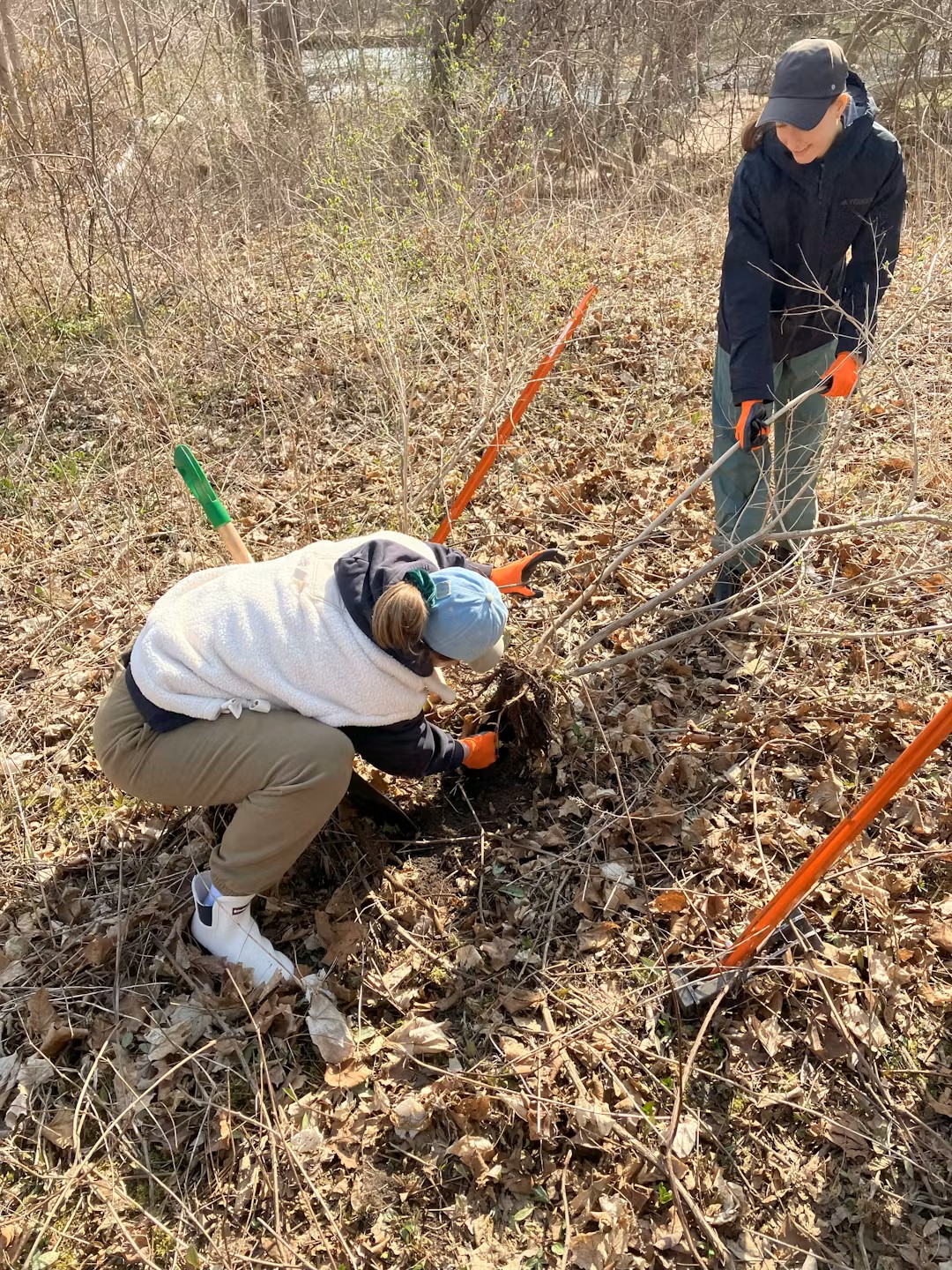 The Town is developing an Invasive Species Management Framework (ISMF) to address invasive species in Halton Hills. “Invasive species” are non-native plants and/or animals that enter an ecosystem, compete with native species, and potentially have significant and negative impacts on communities. In the Town of Halton Hills this includes mainly plants (such as buckthorn and garlic mustard), but also some tree pests and diseases (such as emerald ash borer that kills most ash trees or spongy moth), and a few aquatic species (such as round goby).